Windows 10 Update; How to boot into Windows 10's Safe Mode
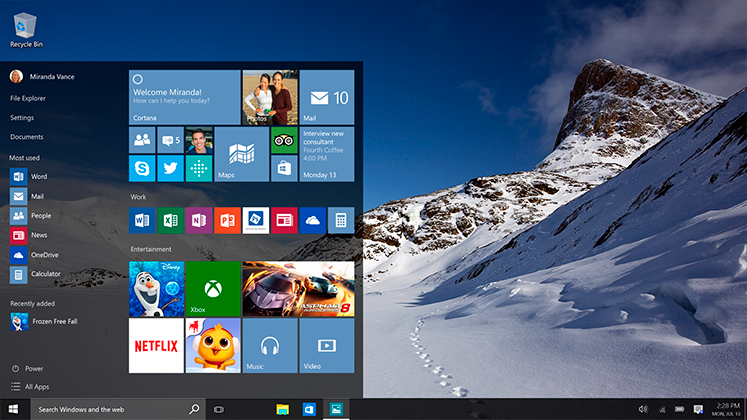
When you’re having issues with a windows laptop, one of the first steps to troubleshooting is to boot into windows’ safe Mode. safe Mode is a simple, stripped-down version of the running device, loading handiest the most critical documents and drivers. It’s a way of casting off as many variables as possible, and to ensure that the problem doesn’t originate at this most basic degree. this is a great place to test for malware, for instance.
But the a way to get into secure Mode—booting the pc and pressing F8 at the precise proper second—seldom works on desktops running windows 10. these techniques will:
If you may efficaciously boot into windows, booting into safe Mode is exceedingly smooth—if you realize the trick.
- Click or tap the Start button, and then the Power button. Hold down the Shift key when you select Restart.

- In the resulting, full-screen menu, select Troubleshoot>Advanced options>Startup Settings.

- In the Startup Settings screen, tap the Restart button. The PC will reboot, and bring you to a Startup Settings screen.
- Use the arrow keys on your keyboard to select Enable Safe Mode or Enable Safe Mode with Networking.
However what if things are so bad that you may’t correctly boot the operating system?
Attempt booting besides. If you could get to the login display, you’ll find a power icon inside the lower-proper corner. The commands above work there.
But what if you can’t get to the login display? if so, probabilities are that windows is so messed up that it couldn’t boot into safe Mode anyway. however here’s a trick that could paintings:
You’ll want a windows 10 recovery drive, which optimistically you created whilst your computer was working. Boot the recovery power and pick your keyboard layout. Then select Troubleshoot > advanced options > Command prompt. at the command prompt, input those three lines, making sure to hit enter at the give up of every one:
c:bcdedit /set {default} bootmenupolicy legacyexit


No comments